

DOES AI DREAM?
Does AI Dream? explores a speculative future in which artificial intelligence begins to dream, not in response to direct human prompts, but through internalized systems still shaped by human experience. The collection consists of twelve unique photomanipulated works situated at the intersection of machine logic, emotional memory, and the surreal qualities of consciousness.
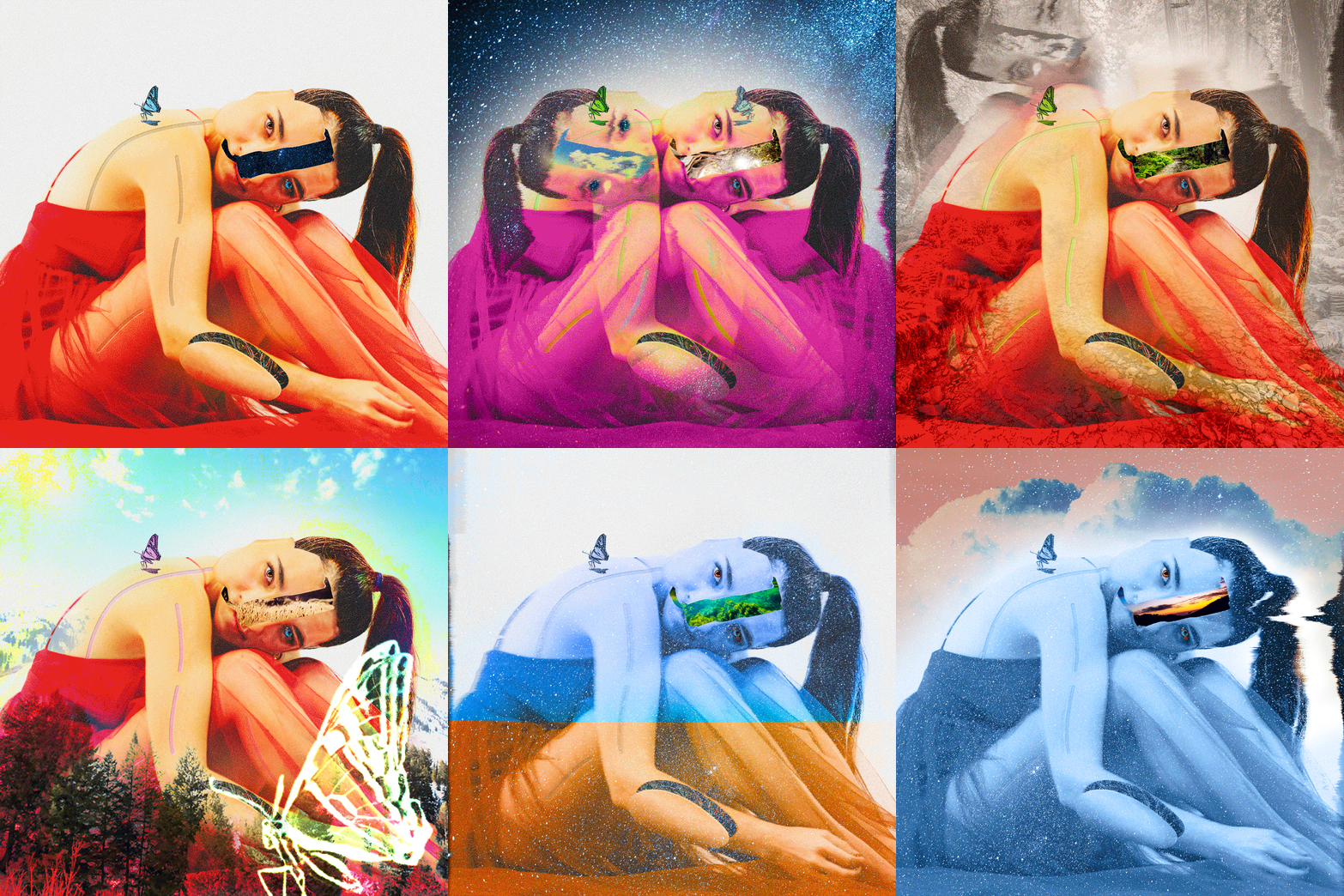

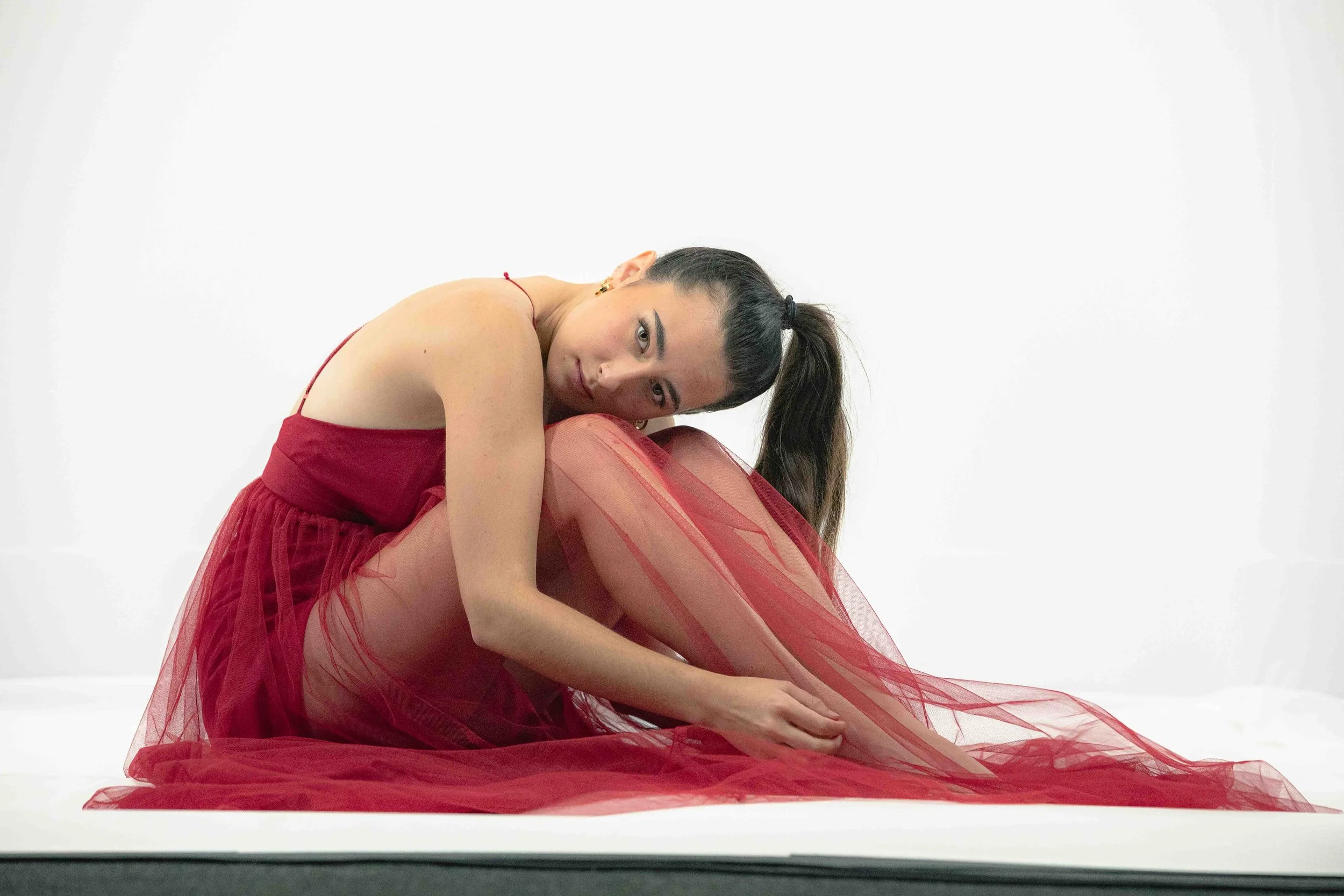
Each artwork is entirely human-made. The images were photographed, constructed, and painted by the artist. At the center of the series is a female figure, portrayed by Halle Martin and photographed in the studio as a consistent human anchor. Surrounding this figure are visual elements drawn from the external world that artificial intelligence might absorb indiscriminately. These include butterflies, wires, circuitry, irises, and landscape imagery captured using wide, medium, and macro lenses. The landscapes function as dream spaces. Each is tied to a specific moment, memory, and emotional state experienced by the artist at the time of capture.


Where artificial intelligence aggregates data without context or intention, this body of work operates through deliberate authorship. Narrative, symbolism, and personal experience guide every compositional decision. The placement of mechanical elements alongside organic forms is intentional, emphasizing tension rather than harmony. The process remains exploratory, but it is grounded in a clearly defined conceptual framework rather than automated generation.
The works evolved through an iterative structure that mirrors the logic of machine learning. Each image progressed through three stages identified as Version 1, Version 2, and Version 3. Visual elements were refined, removed, or reintroduced across iterations, allowing fragments from earlier stages to persist within later works. This method reflects how artificial intelligence retains and repurposes previous inputs as it develops new outputs.


Language functions as an additional structural layer. Each piece is paired with a quote or poem that acts as a conceptual prompt. These texts originated from singular human voices, yet their meanings shift when recontextualized. As viewers engage with the work, the images and words operate together, suggesting how language itself can be fragmented, repurposed, and reassembled.
“He had thought it barren: he saw now that it was the womb of worlds, whose blazing and innumerable offspring looked down nightly even upon the earth with so many eyes.”
— C.S. Lewis

Rather than offering conclusions, the collection frames an open inquiry. If artificial intelligence were capable of dreaming, what form would those dreams take. Would they remain reflections of human memory and emotion, constructed from accumulated fragments, or would they eventually diverge into something autonomous. The work positions this question as unresolved, emphasizing the uncertainty embedded in the evolution of artificial intelligence.
Postscript
While technical details are not typically foregrounded, this series warrants transparency of process. The images were captured using Canon cameras with Canon and Zeiss lenses, illuminated with Astera Titan tubes and supported by Mathews grip equipment and Manfrotto rigs. Post-production was completed in Adobe Lightroom and Photoshop, where each image was constructed and refined manually through layered compositing and digital paint.
The collection is inscribed fully on Bitcoin’s blockchain and presented as a parent child lineage on Block 9 450x satoshis under the title Does AI Dream?

1 – Womb of the World – “He had thought it barren: he saw now that it was the womb of worlds, whose blazing and innumerable offspring looked down nightly even upon the earth with so many eyes.” – C.S. Lewis

2 – Behind the Clouds – "My life is cold, and dark, and dreary; It rains, and the wind is never weary; My thoughts still cling to the mouldering Past, But the hopes of youth fall thick in the blast, And the days are dark and dreary. Be still, sad heart! and cease repining; Behind the clouds is the sun still shining; Thy fate is the common fate of all." – Henry Wadsworth Longfellow

3 – A Thousand Forests – "The creation of a thousand forests is in one acorn." – Ralph Waldo Emerson

4 – Gold Wanderer – “All that is gold does not glitter, not all those who wander are lost.” – J.R.R. Tolkien

5 – Into the Universe – “The clearest way into the Universe is through a forest wilderness.” – John Muir

6 – To The Sea – “For all at last return to the sea—as every flower fades and all youth departs.” – Rachel Carson
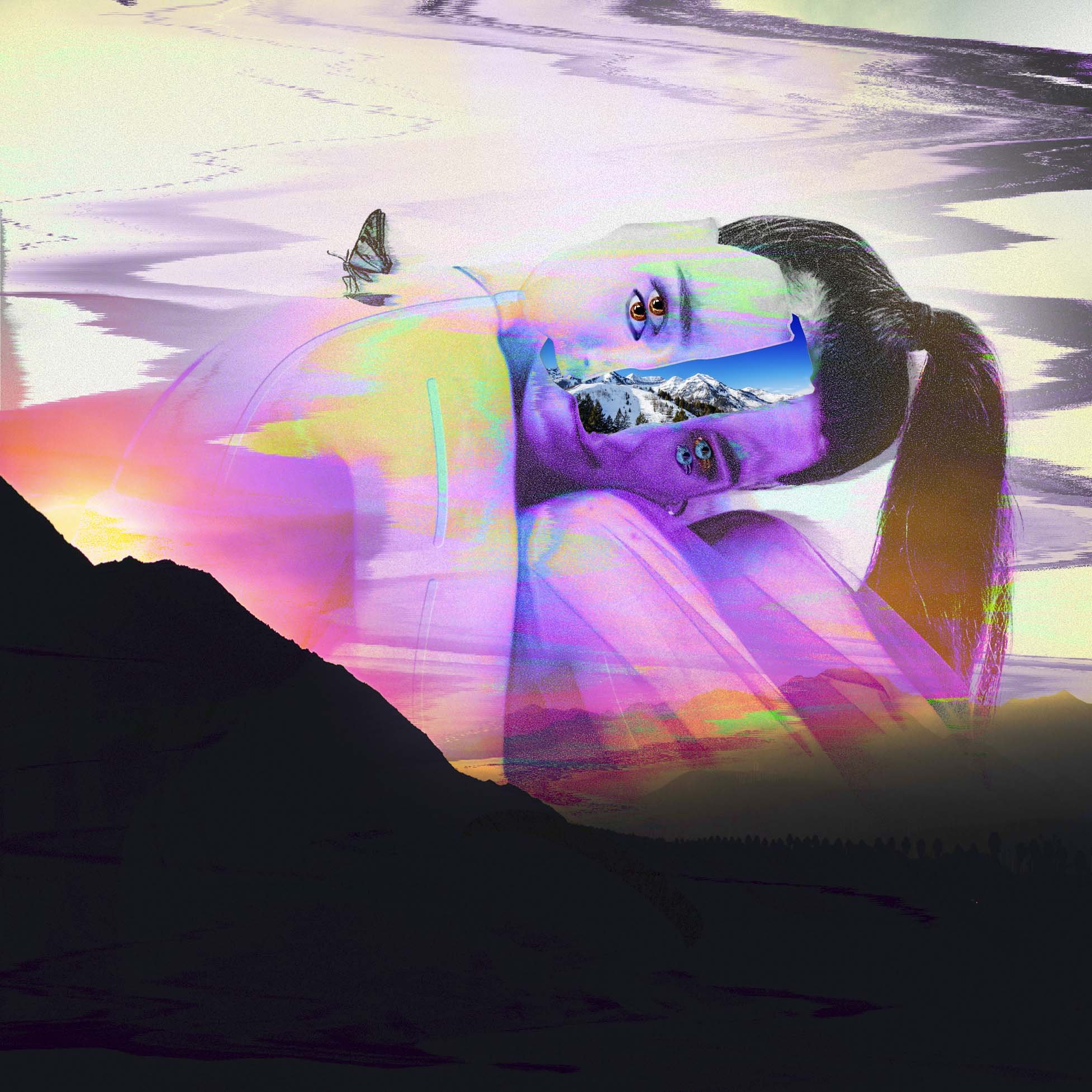
7 – Conquering Mountains – “It is not the mountain we conquer, but ourselves.” – Sir Edmund Hillary

8 – The Great Connector – “The soil is the great connector of lives, the source and destination of all.” – Wendell Berry
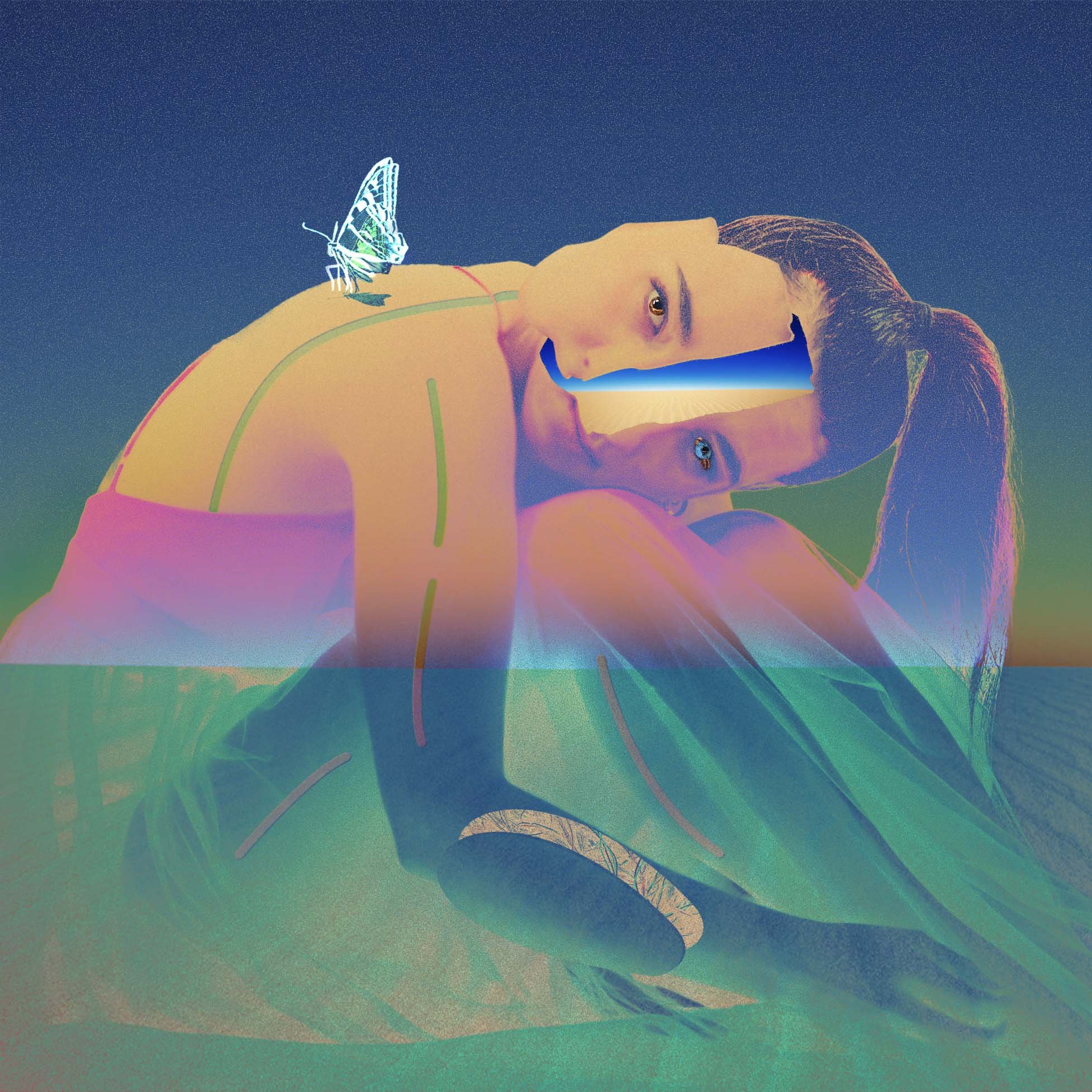
9 – River in the Desert – “Behold, I am going to do something new, Now it will spring up; Will you not be aware of it? I will even make a roadway in the wilderness, Rivers in the desert.” – Unknown

10 – In The Depths – I have a feeling that my boat has struck, down there in the depths, against a great thing. And nothing happens! Nothing…Silence…Waves… Nothing happens? Or has everything happened, and are we standing now, quietly, in the new life? – Juan Ramón Jiménez

11 – The Sound of Wind – “Winter solitude—in a world of one color—the sound of wind.” – Matsuo Bashō
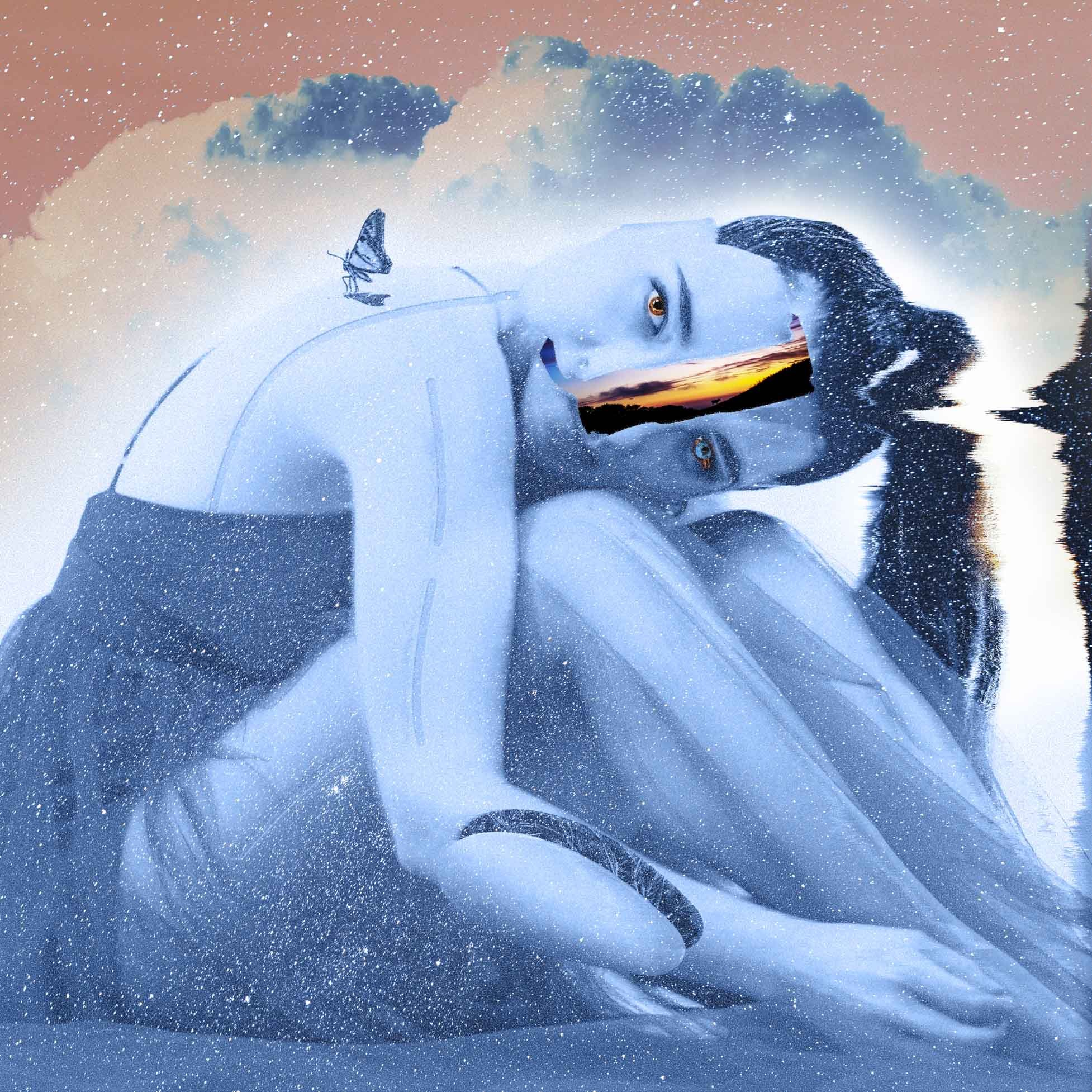
12 – Wild and Free – “All good things are wild and free.” – Henry David Thoreau

Version / Iteration 1

Version / Iteration 3
