

A behind the scenes look at the making of Fractured Reality.
Artist Concept
My concept treats time as an integral material in shaping art. I focus on moments when familiar structures collapse and meaning must be rebuilt from what remains. I work from the belief that the only true moment of time is the one we inhabit now, not what once was or what could have been.
Fractured Reality is a surreal, fantasy-inspired fine art series that tells the allegorical story of a girl named Nem. For much of her life, Nem exists within a protected world, largely untouched by trauma or loss. When that protection fractures, she is forced into an unchosen confrontation with tragedy, grief, preservation, resilience, and eventual transformation. The series unfolds across sixteen chapters, following a narrative arc that traces Nem’s progression over time.
While Nem is fictional, the work is informed by lived experience, including cancer and divorce. Much of the photographic source material was captured during those periods, embedding personal memory, perspective, and lived time into the construction of the series.
Fractured Reality examines transformation as a process rather than a resolution. The work does not seek restoration or closure, but instead focuses on endurance, adaptation, and the accumulation of change over time. By presenting transformation as something carried forward rather than recovered, the series reflects on how personal histories and present choices shape future identity.
The work invites viewers to consider how stories persist after disruption, and how meaning continues to form when life no longer follows its expected path.
Artwork Technical Description
Fractured Reality was developed using a cinematic production methodology, treating the series as a cohesive narrative system rather than a collection of standalone artworks. With Emily Shubin serving as producer, the project began with scripting the overarching story and emotional arc that the central character, Nem, would travel through. This arc was divided into sixteen chapters, each written as a short script to establish narrative progression, emotional tone, and thematic focus.
To construct the visual world, I captured thousands of photographs across varied locations and environments throughout the globe. All principal photography was shot in RAW format using a Canon 5D Mark IV or Canon R5c with Canon L-series lenses, including a 35mm f1.4, 50mm f1.2, and 70–200mm f2.8, as well as Zeiss lenses including a Distagon 15mm f2.8 and a 100mm f2 Makro-Planar. These tools allowed for a wide range of spatial, emotional, and textural detail. Astera Titan tubes provided lighting support for in-studio work, while reflectors were utilized for field shoots. A GoPro Hero 7 Black was used for underwater photography to explore altered physical states, and a DJI Phantom 4 was used for aerial imagery to introduce scale, distance, and disorientation.
Test templates were assembled from these photographs as visual storyboards, then singer/songwriter, Halle Martin, was cast to portray Nem. Two studio test days were dedicated to refining lighting, movement, and emotional range, precluded by an underwater test session. A full production day was then used to capture a wide range of expressions, gestures, and poses that could be recombined to serve Nem’s psychological evolution throughout the series.
Post-production was an extensive, iterative process lasting approximately eighteen months. Each final chapter was constructed through a composite of my own original photography, digital manipulation, photo-derived textures, and hand-painted elements, with many chapters requiring the compositing of hundreds of individual photographic assets to complete a single work. Image processing and color grading were completed in Adobe Lightroom Classic, with final compositing and assembly executed in Adobe Photoshop.
At defined milestones, each chapter underwent internal “screenings” with trusted storytellers to assess narrative clarity and emotional coherence. Feedback informed multiple cycles of revision, allowing the work to evolve through sustained dialogue.
As a final stage, Fractured Reality was permanently inscribed onto Bitcoin as the largest fine art storytelling piece on-chain, occupying the entirety of Block 883,828. This technical decision positioned the project not only as a deeply personal narrative, but as part of an immutable system designed for long-term permanence.
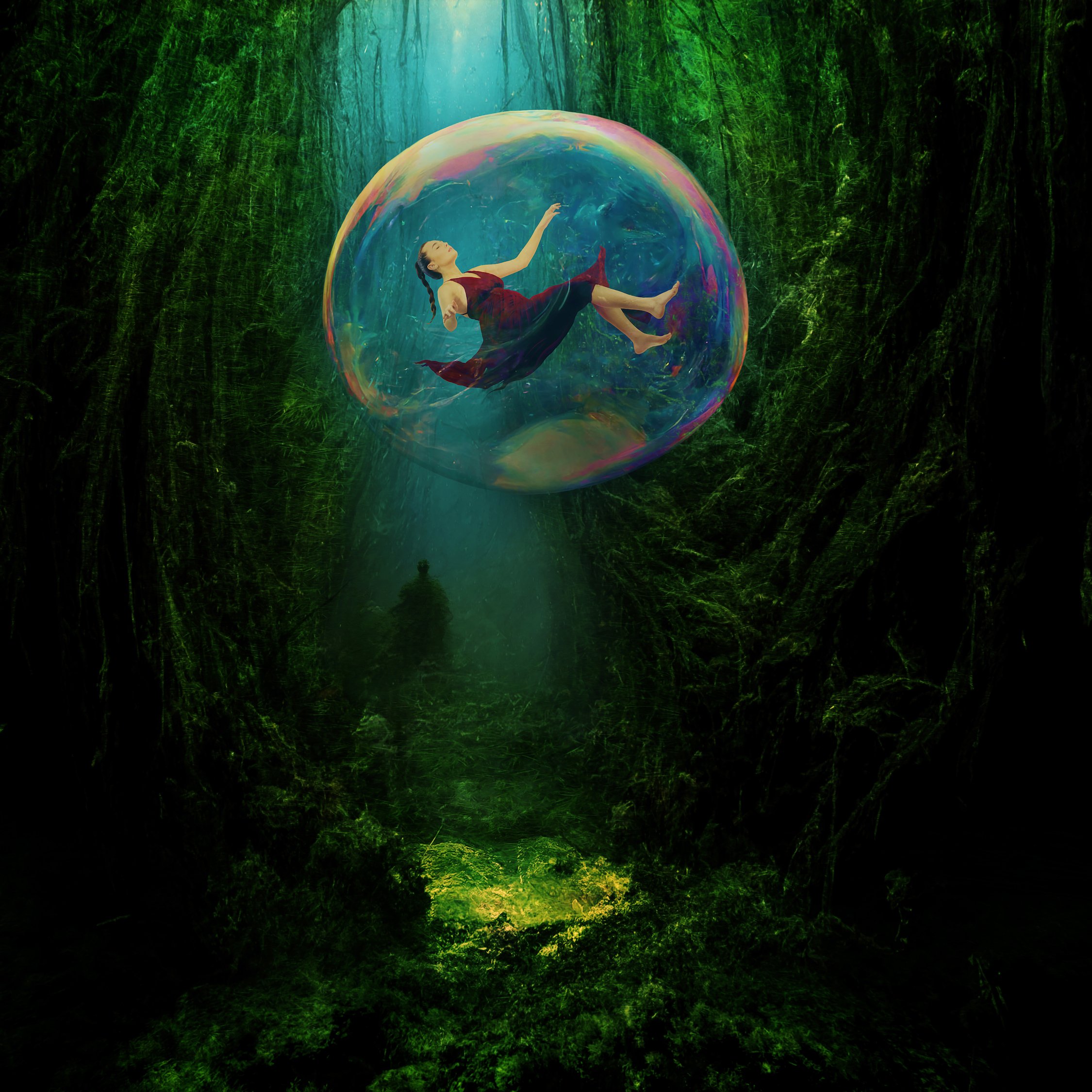
Chapter One: Floating through Life – I’m fine. I’m fine. I. am. fine. (If I say it enough times, maybe it’ll be true.)
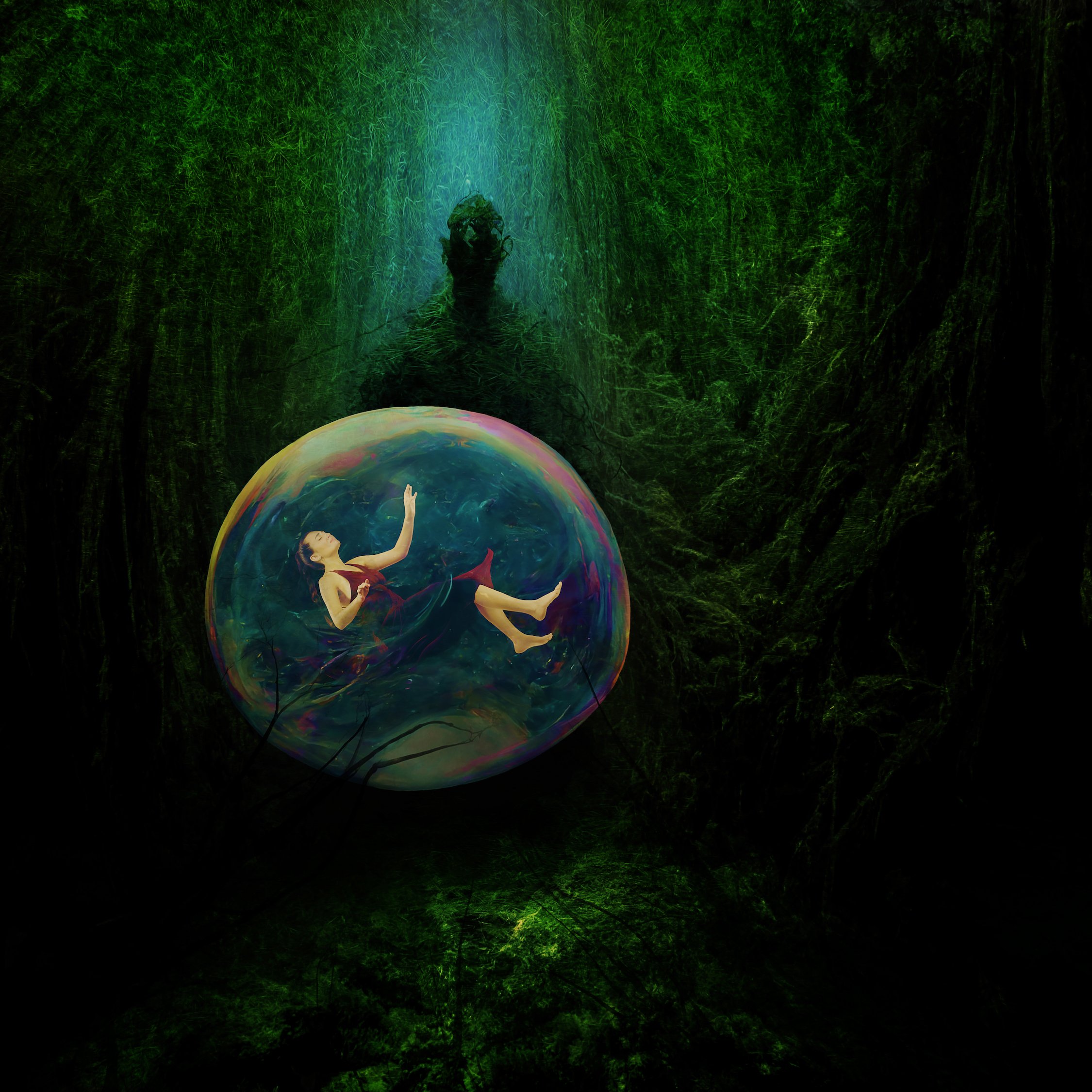
Chapter Two: Last Rites – Something was off. The edges of my world didn’t line up. I couldn’t name it—couldn’t pin it down—but I felt it. It wasn’t until the moment of impact—the discovery—that the truth tore through me. Divorce. Fallout. A life rewritten without my consent ensued. But, for that uncomfortable stretch of time—the between—there was blind, unknown agony residing in the pit of my soul.
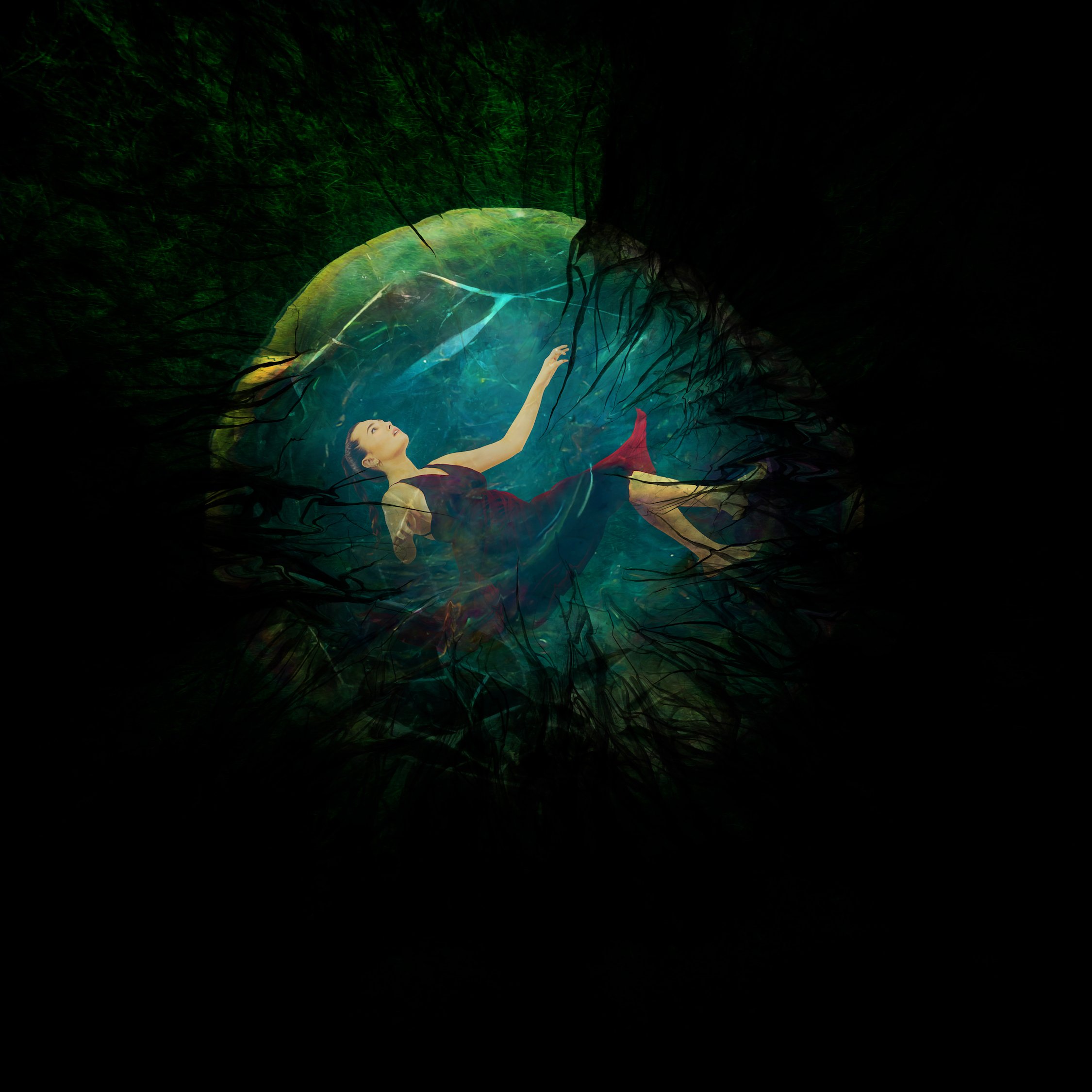
Chapter Three: In The Throes – The words seared through me. “How quickly can you be in surgery?” The world kept moving, but I didn’t. I was frozen in that moment, suspended between a before I no longer had and an after I couldn’t yet grasp. The surgeries, the pain, the routine of it all—rinse and repeat. The years ahead would change me. But in that instant, I was blind to the storm that was already swallowing me whole.
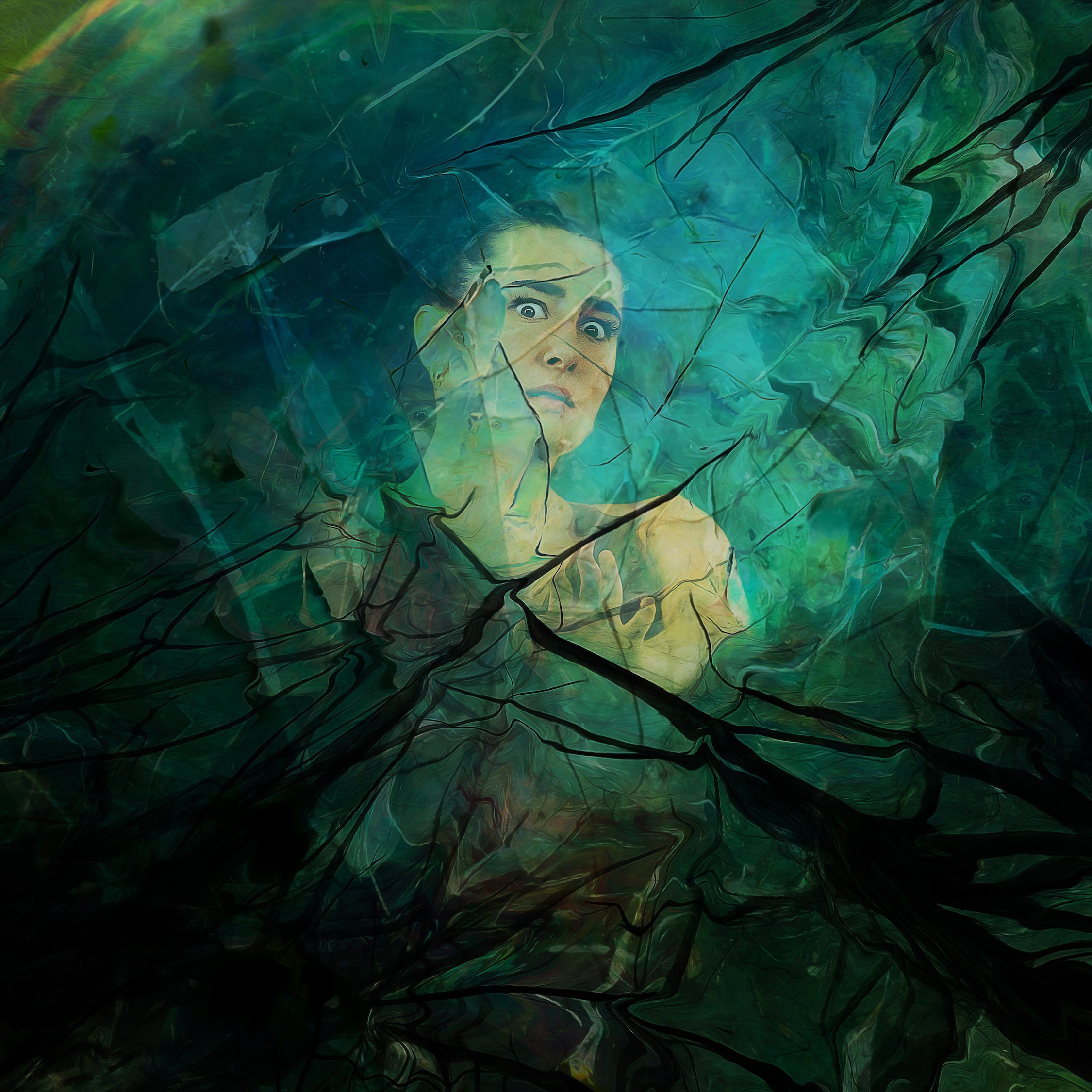
Chapter Four: Panic – I was still—physically. But inside, everything was breaking. The conversation happened around me, not to me. I could hear my partner’s voice—words I never imagined—but the panic sirens inside my head made them unintelligible. Thirteen. Thirteen years. Gone.
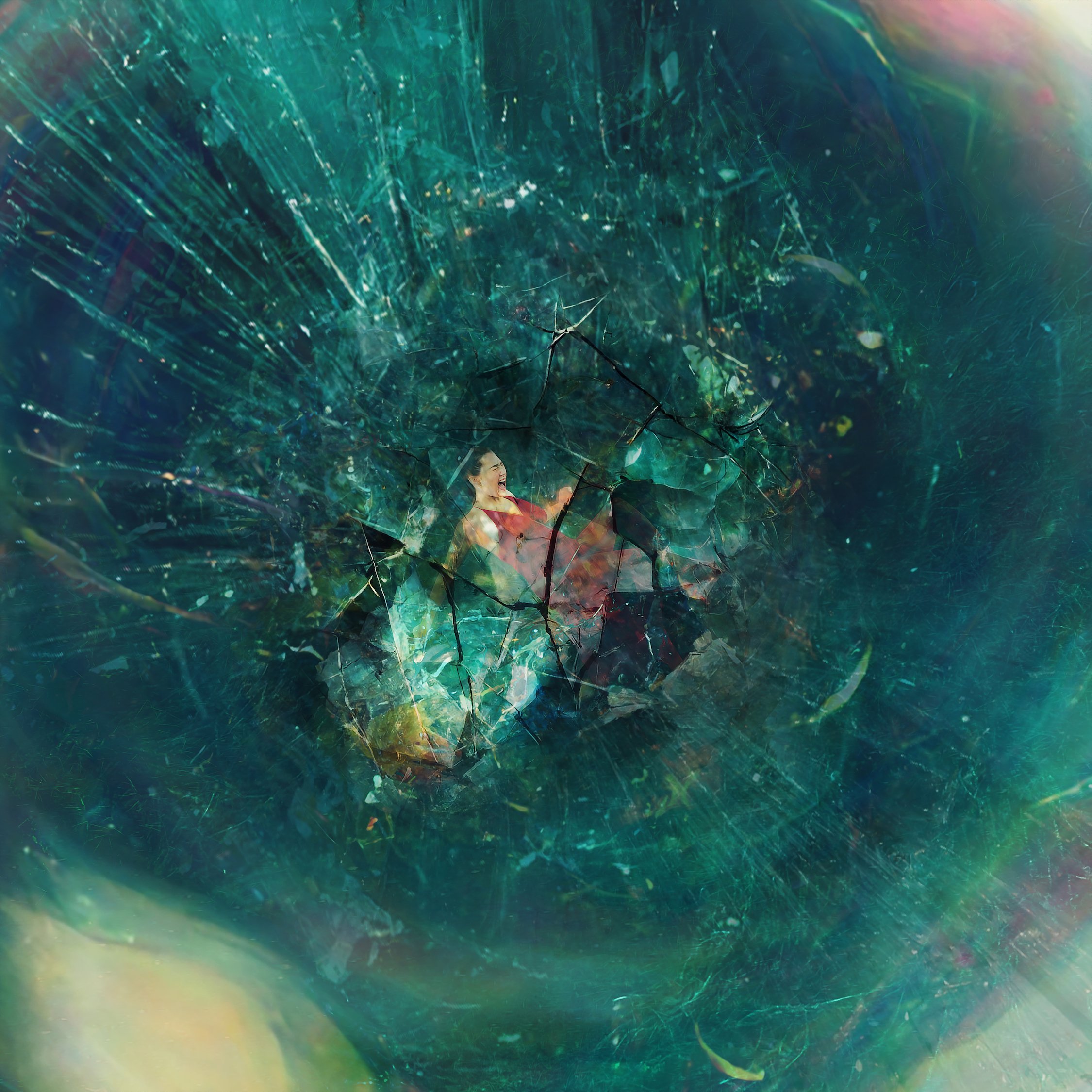
Chapter Five: Shattered – They cut me open. Not enough meds. I screamed, but the pain didn’t stop. Again. Not enough meds. It didn’t stop.
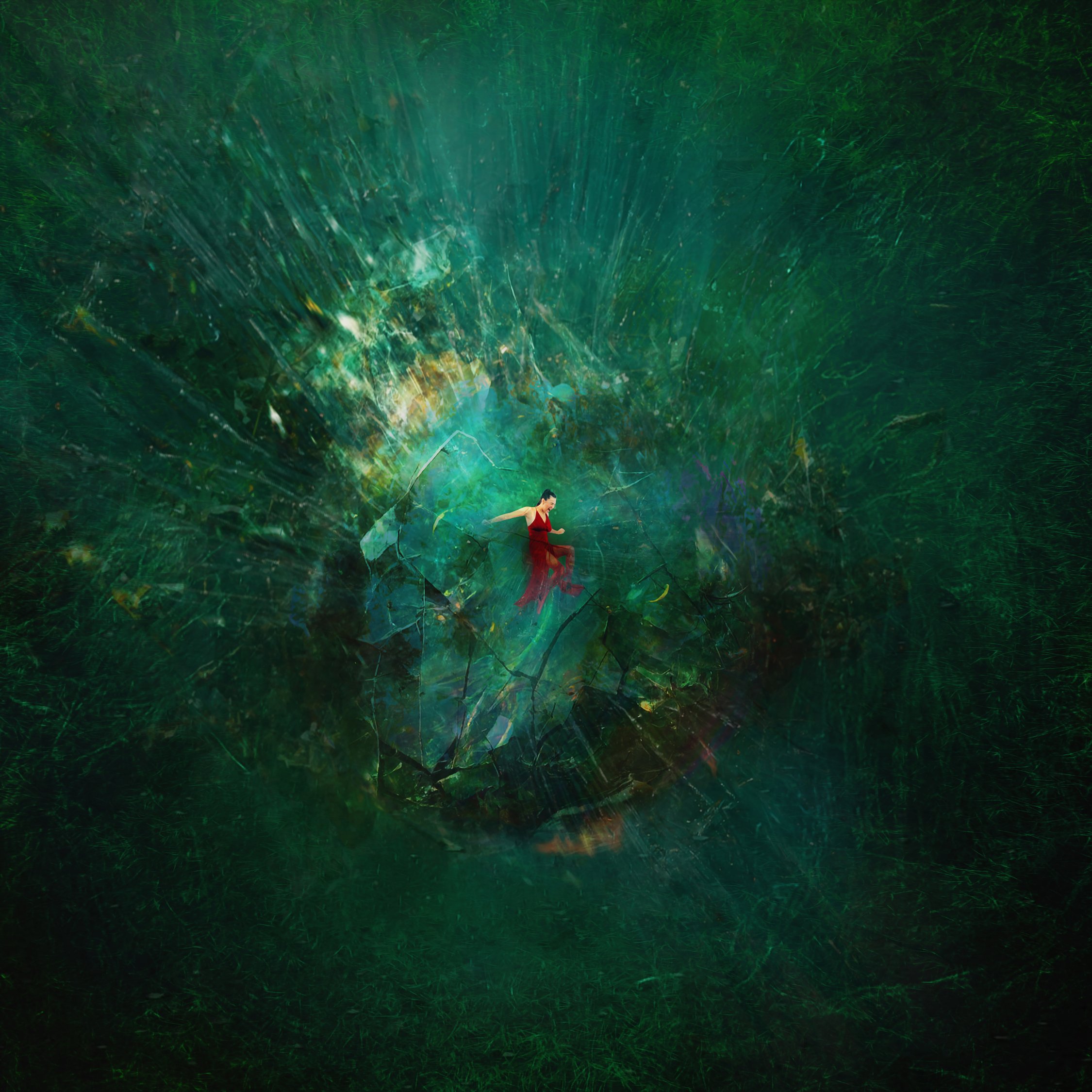
Chapter Six: Collateral Damage – My world didn’t just fall apart. It was taken apart. Piece by piece. Friends—gone. Finances—gone. Shelter—gone. Even my dog—mine, but not mine. Loss after loss, until nothing remained but the hollow space where my life had been.
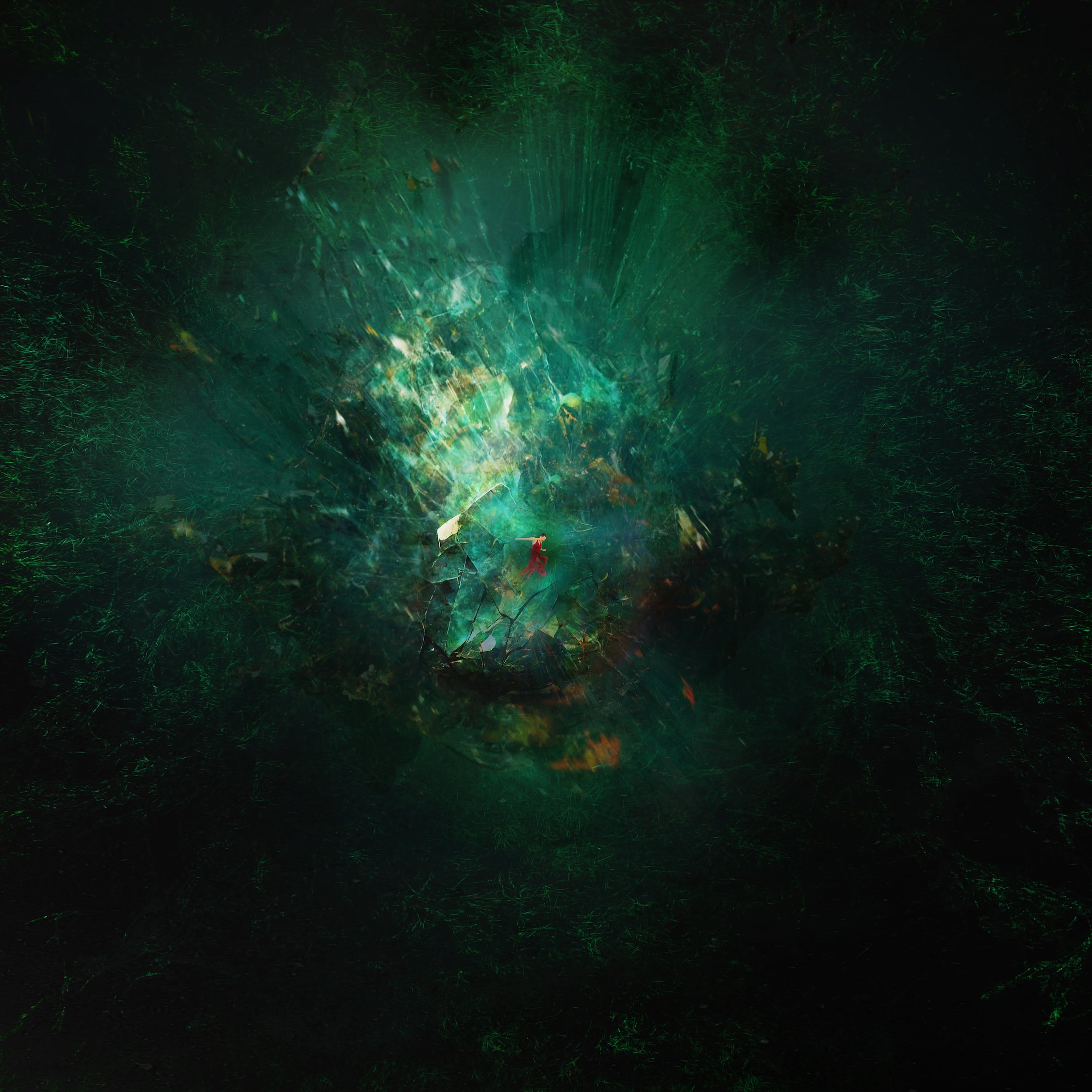
Chapter Seven: Into the Abyss – Some falls have a bottom. Mine didn’t. It just kept going.
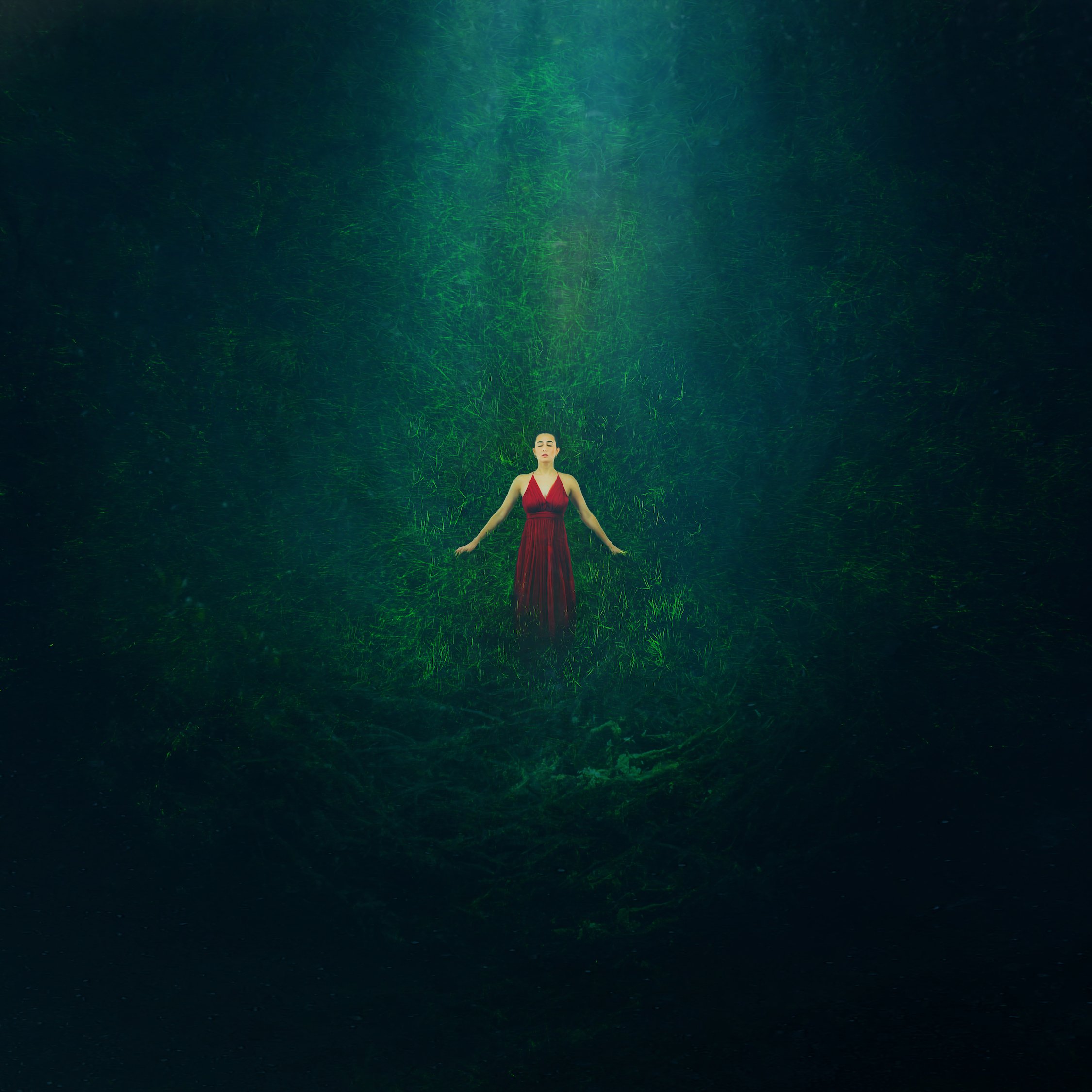
Chapter Eight: Dead Inside – The call. The message. Doctors don’t leave vague messages like that. Was the cancer back? This time, I’d face it alone. Or maybe I always had been. The first surgery—I drove myself. Afterwards, I drove home—scarred, in shock. Threw up in a parking lot, waiting for meds—alone. Alone. Maybe I always was.
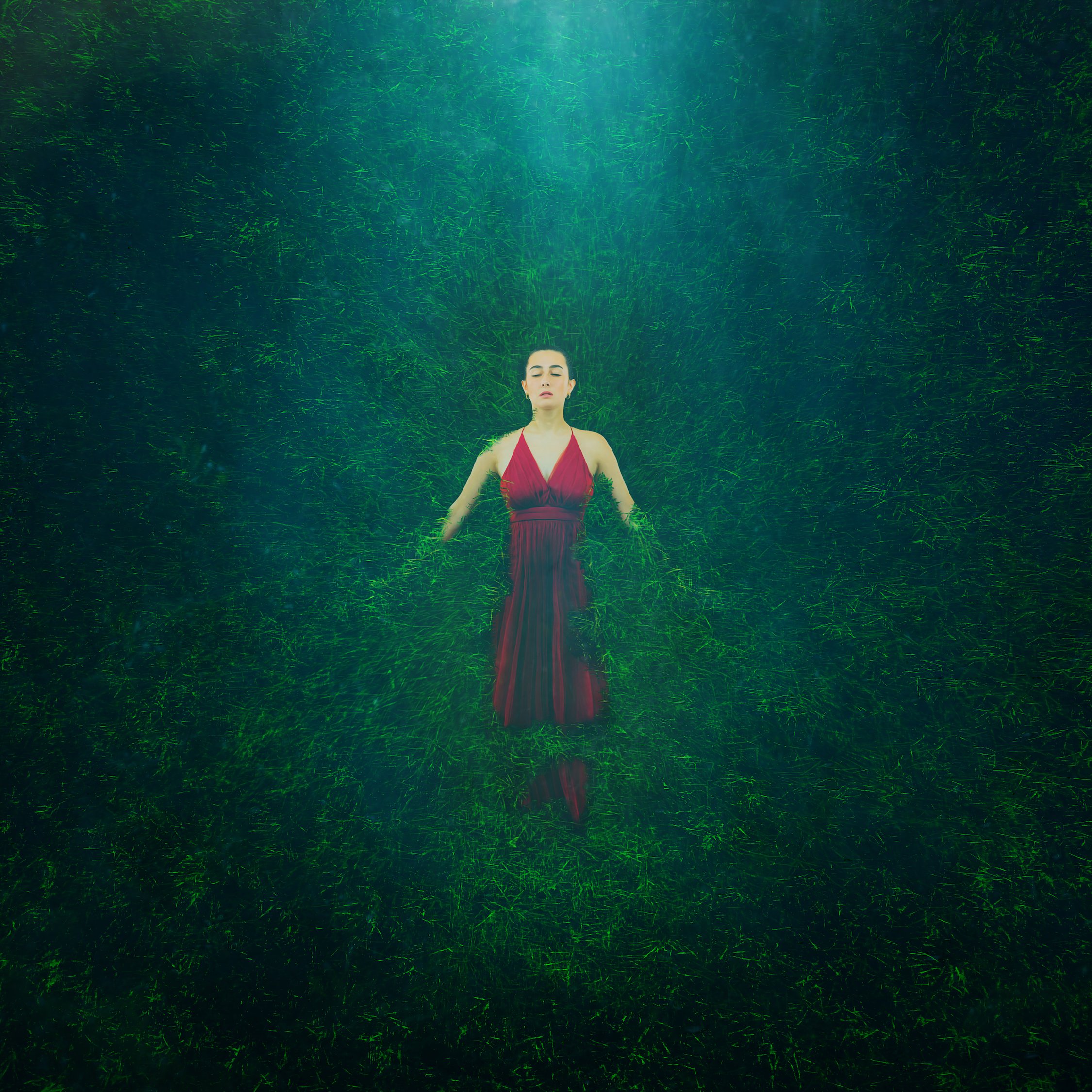
Chapter Nine: Consumed – The web tightened. The strands connected. The cancer. The fear. The isolation. The betrayal. The broken dreams. The grief. The divorce. It was all linked. And I was suffocating beneath it.
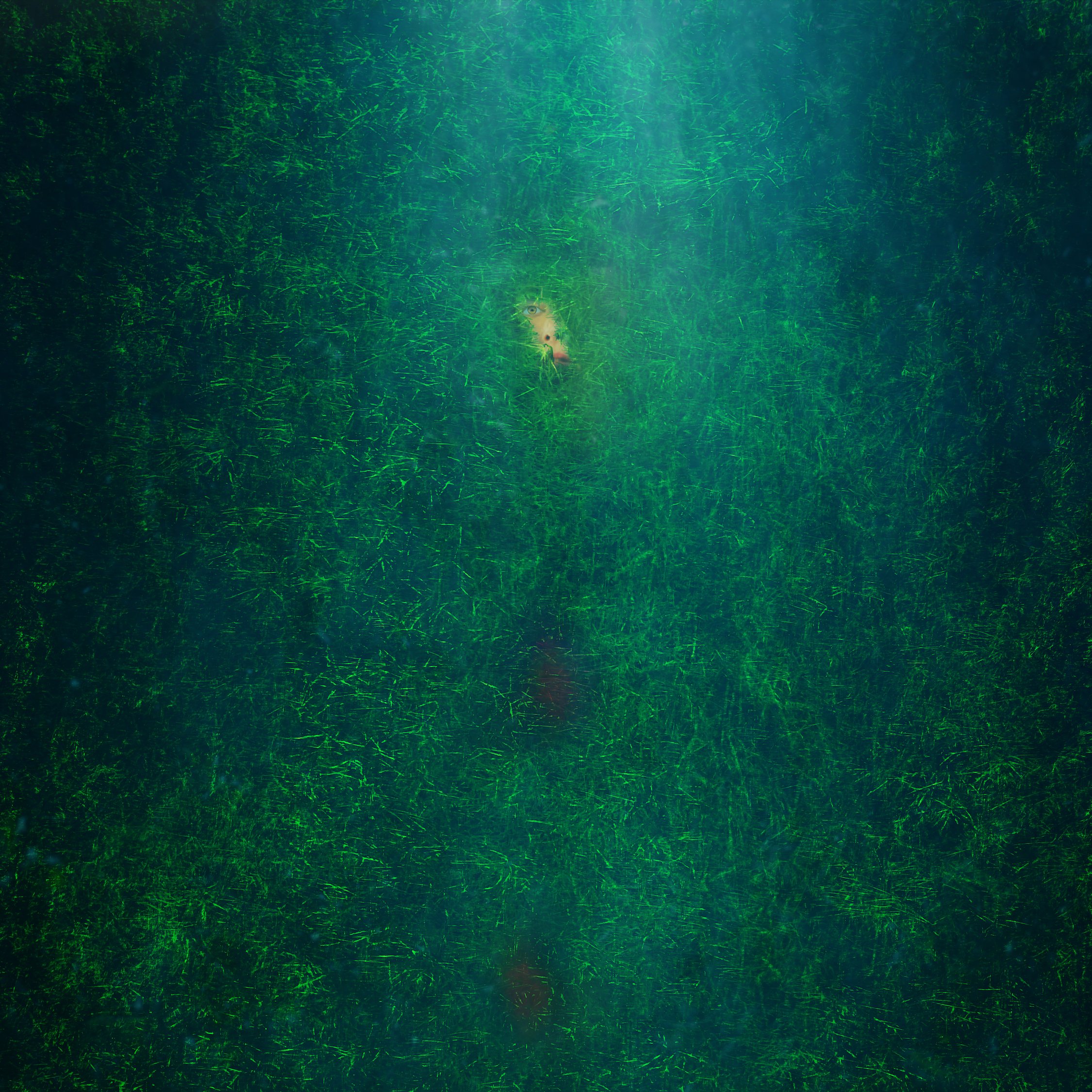
Chapter Ten: Awakening – To understand, I had to face what nearly killed me. I was blind. But now I see. I was always alone. I always had the cancer. What is, was.
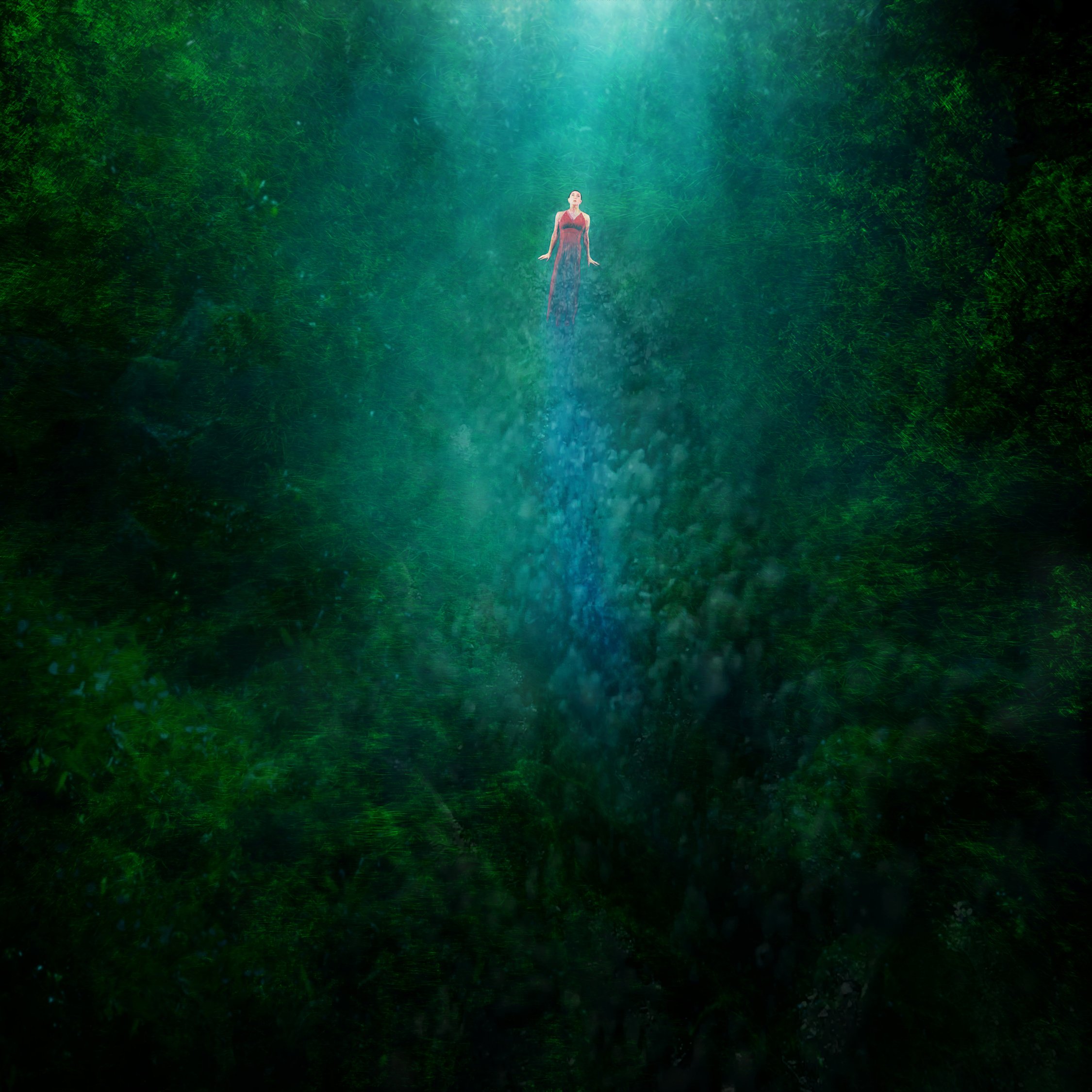
Chapter Eleven: Letting Go – There’s no shortcut through grief. No easy way out of pain. There’s only one way forward—through the center of it. To look within. To be honest. To finally see the truth that had always been there.
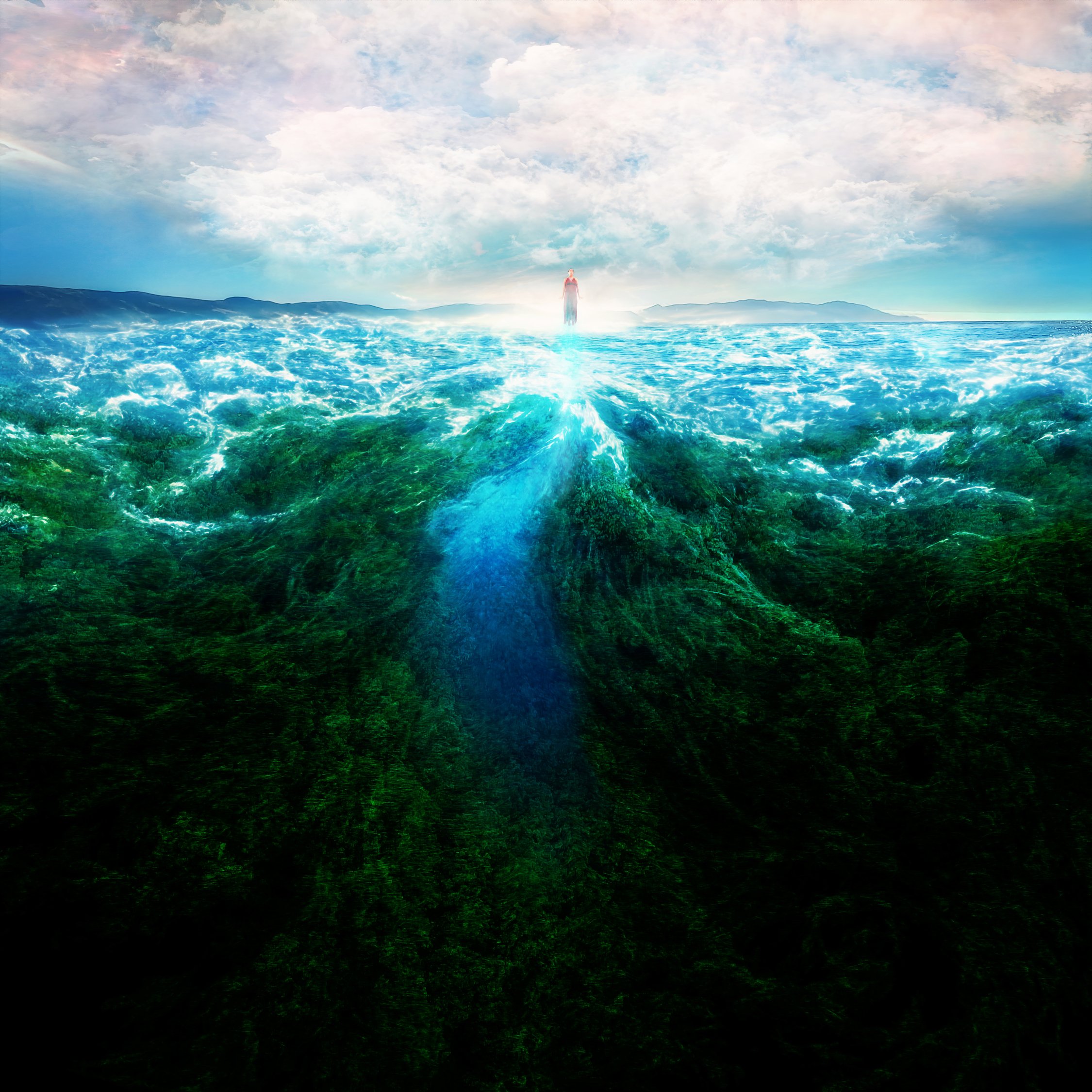
Chapter Twelve: Breakthrough – You shall know the truth, and the truth shall set you free.

Chapter Thirteen: A New World – The world was bigger than I ever imagined. The horizon stretched farther than I’d ever seen. Had everything happened, and I was standing quietly now in the new life?

Chapter Fourteen: Momentum – Life is worth living. But you have to step forward. One step. It doesn’t have to be big. It doesn’t have to be certain. But it has to be yours.
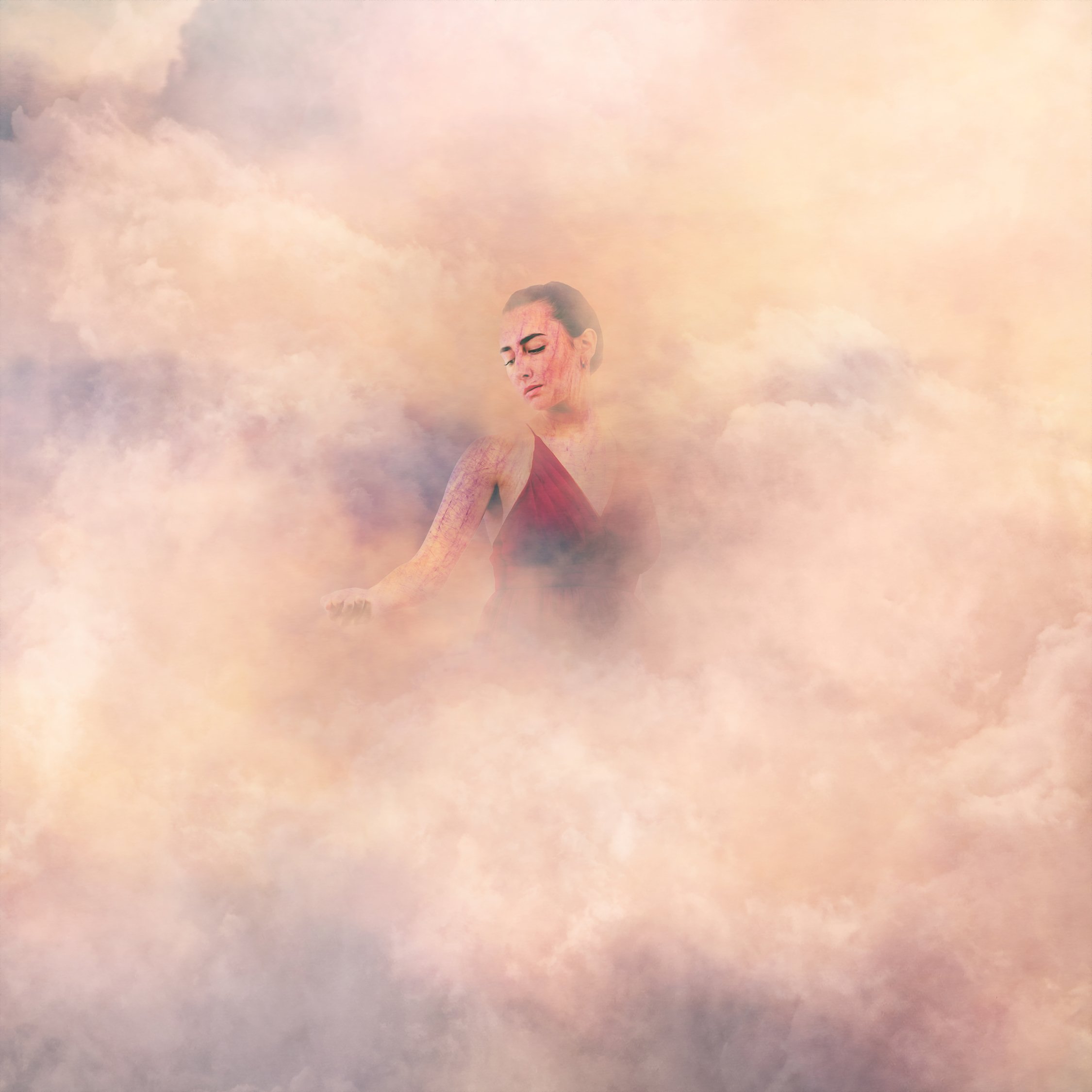
Chapter Fifteen: Survivor – Only in hindsight can you see the scars. They don’t mark weakness. They mark survival. The path wasn’t one I chose. I wouldn’t wish it on my worst enemy. But it was mine. And I survived.
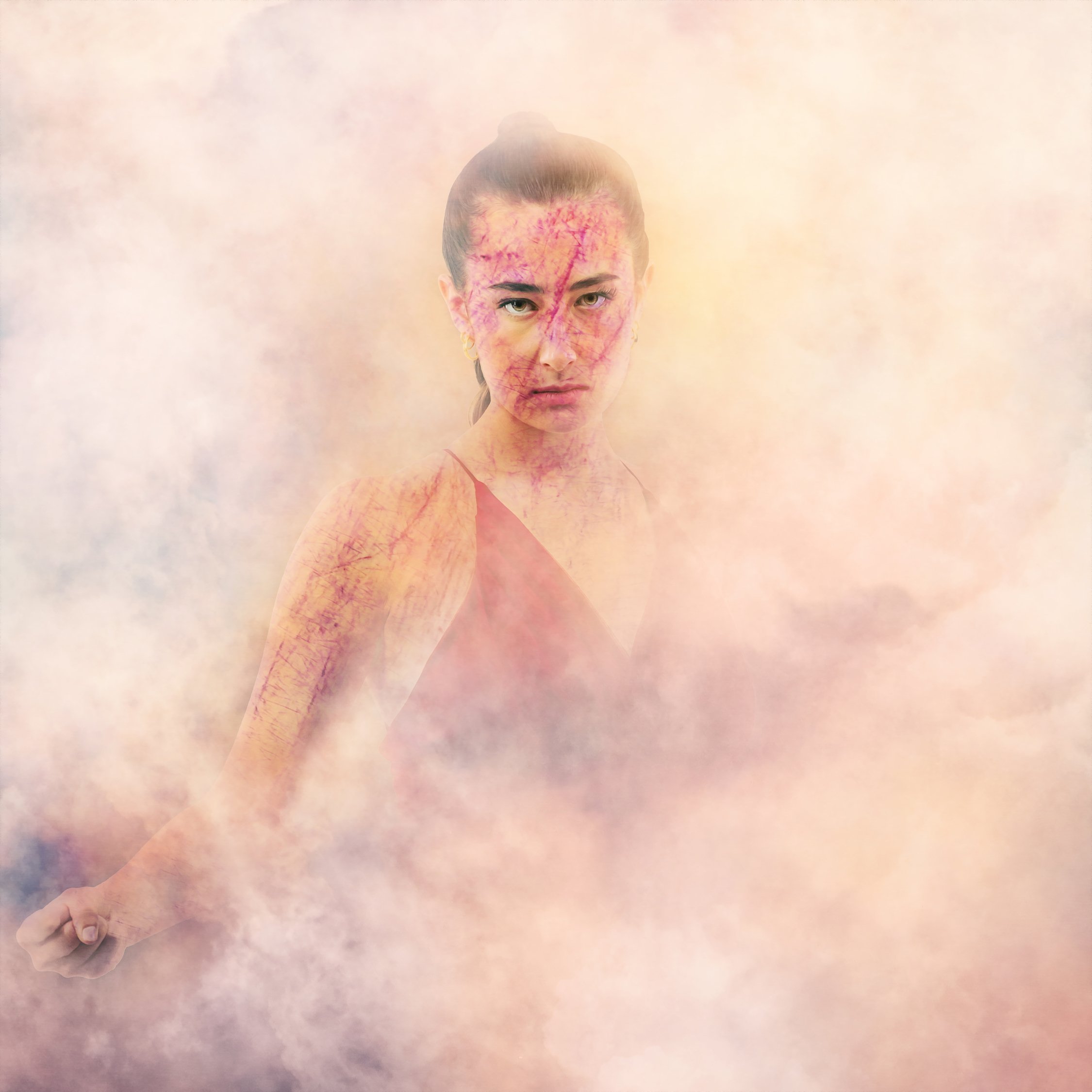
Chapter Sixteen: The New You – You decide.